
Glashpullagh Peatlands
Scroll to explore
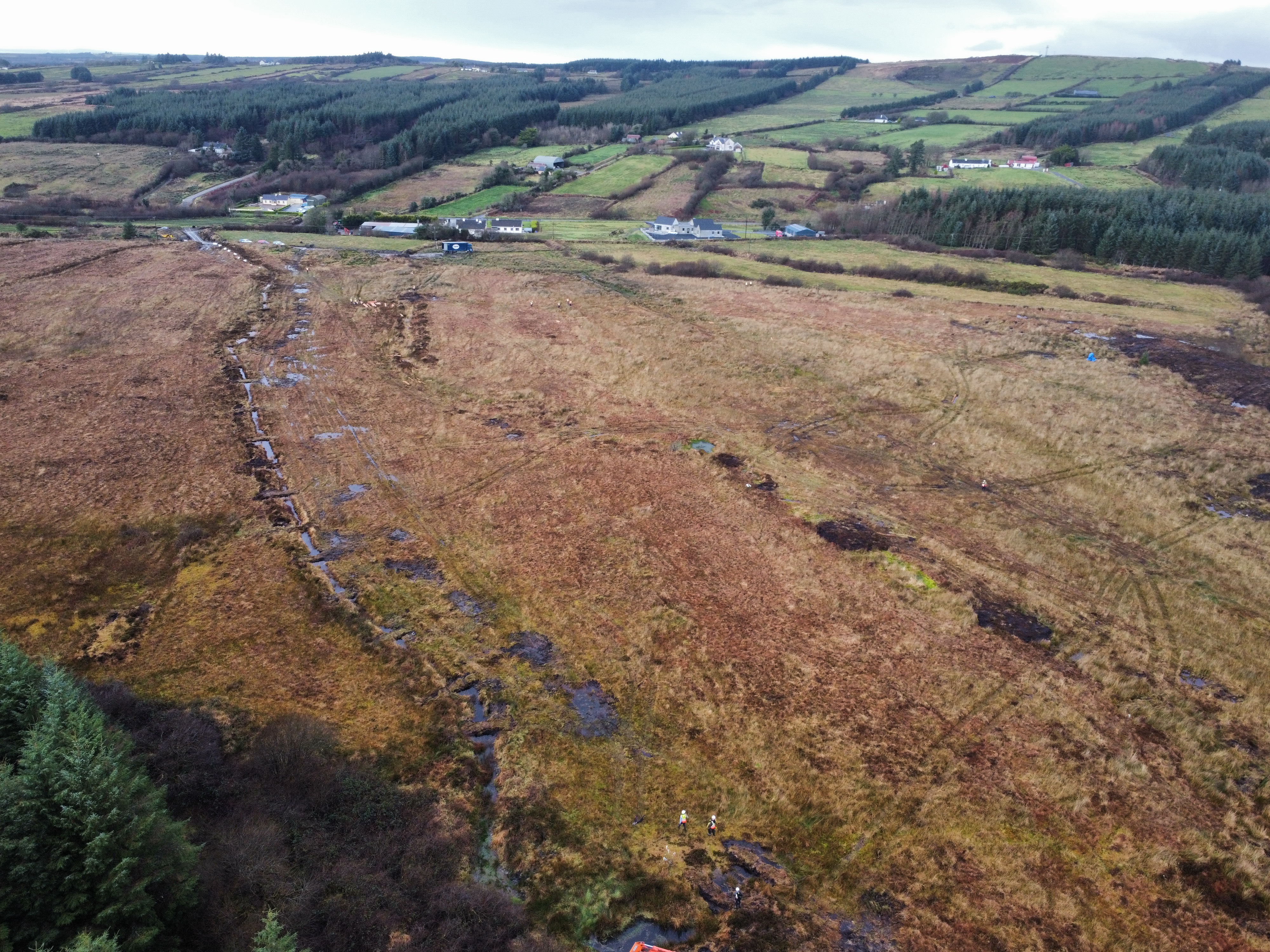
The Glashpullagh peatlands represent one of Ireland's most significant ecological restoration projects. Through careful rewetting, drain blocking, and community engagement, we are working to restore this ancient landscape to its natural function — storing carbon, filtering water, and supporting biodiversity for generations to come.
Every hectare of restored peatland captures an estimated 0.7 tonnes of CO₂ per year. With over 200 hectares under active management, the Glashpullagh project is making a measurable contribution to Ireland's climate goals while preserving a landscape of deep cultural and ecological significance.
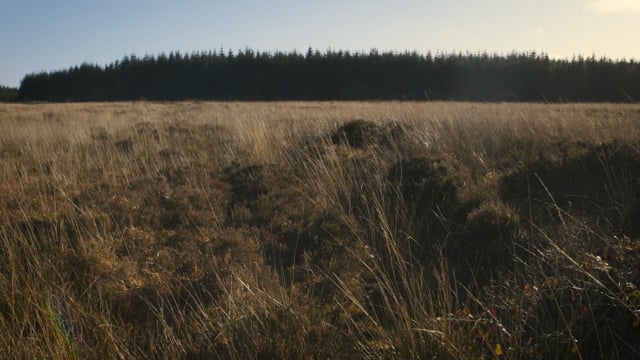
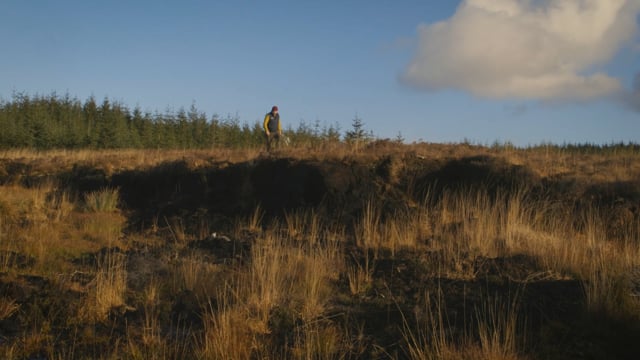
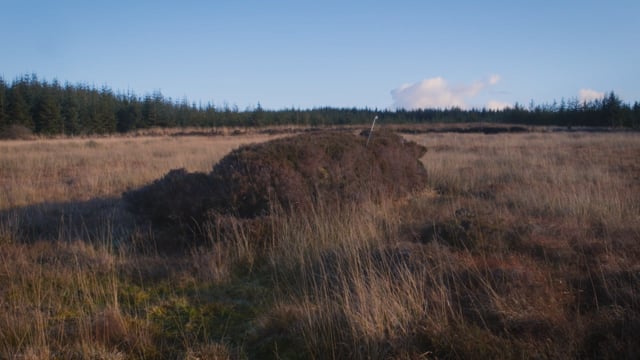
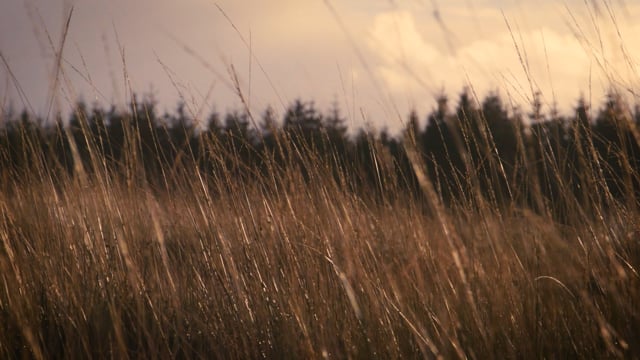
A working peatland restoration landscape in West Limerick. Explore the science, craft, and long-term stewardship of bogland recovery.
Overview
Active rewetting and ecological engineering of degraded peatland to restore hydrological function and biodiversity.
Rigorous monitoring of peat accumulation, water tables, vegetation dynamics, and carbon sequestration over time.
Long-term land management integrating traditional knowledge with contemporary ecological science.
Engagement and education programs connecting local stakeholders to peatland conservation and restoration.
Hectares Restored
Years Monitoring
Tonnes CO₂ Sequestered
Water Table Rise
Peatlands cover only 3% of Earth's land surface, yet they store twice as much carbon as all forests combined. These fragile ecosystems are critical for climate regulation and biodiversity.
About
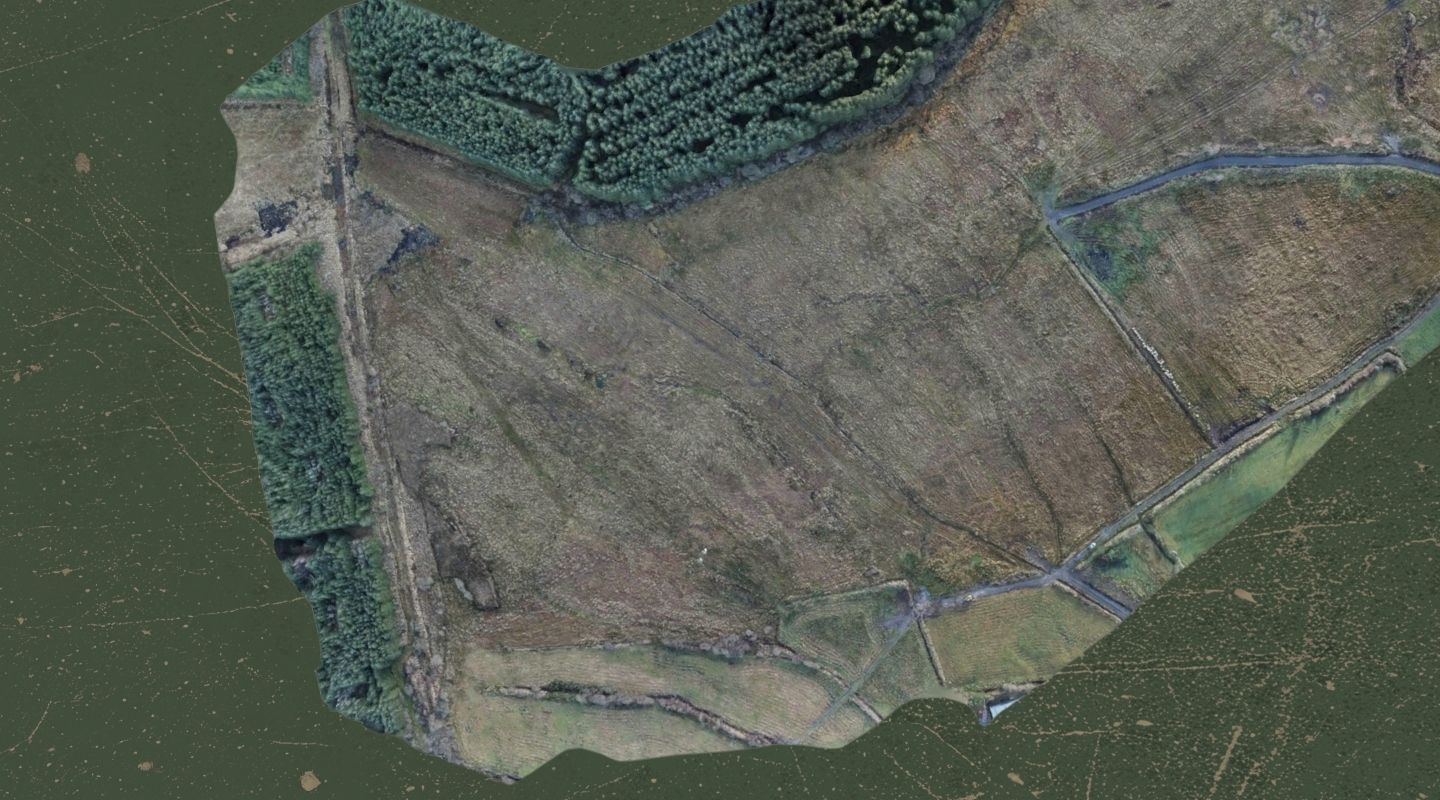
Glashapullagh is a working peatland restoration landscape in West Limerick, Ireland. Spanning 287 hectares of formerly drained and degraded raised and blanket bog, the site represents a long-term commitment to ecological restoration and sustainable land stewardship.
Since 2009, we have conducted extensive hydrological rewetting, vegetation management, and scientific monitoring. Our approach combines traditional ecological knowledge with contemporary restoration science, demonstrating how degraded peatlands can be returned to ecological health and carbon functionality.
The project serves as both a living laboratory and a model for large-scale peatland restoration across the Atlantic Boglands region. We work collaboratively with researchers, policymakers, landowners, and local communities to advance understanding of bog restoration and climate mitigation.
Location
Methods
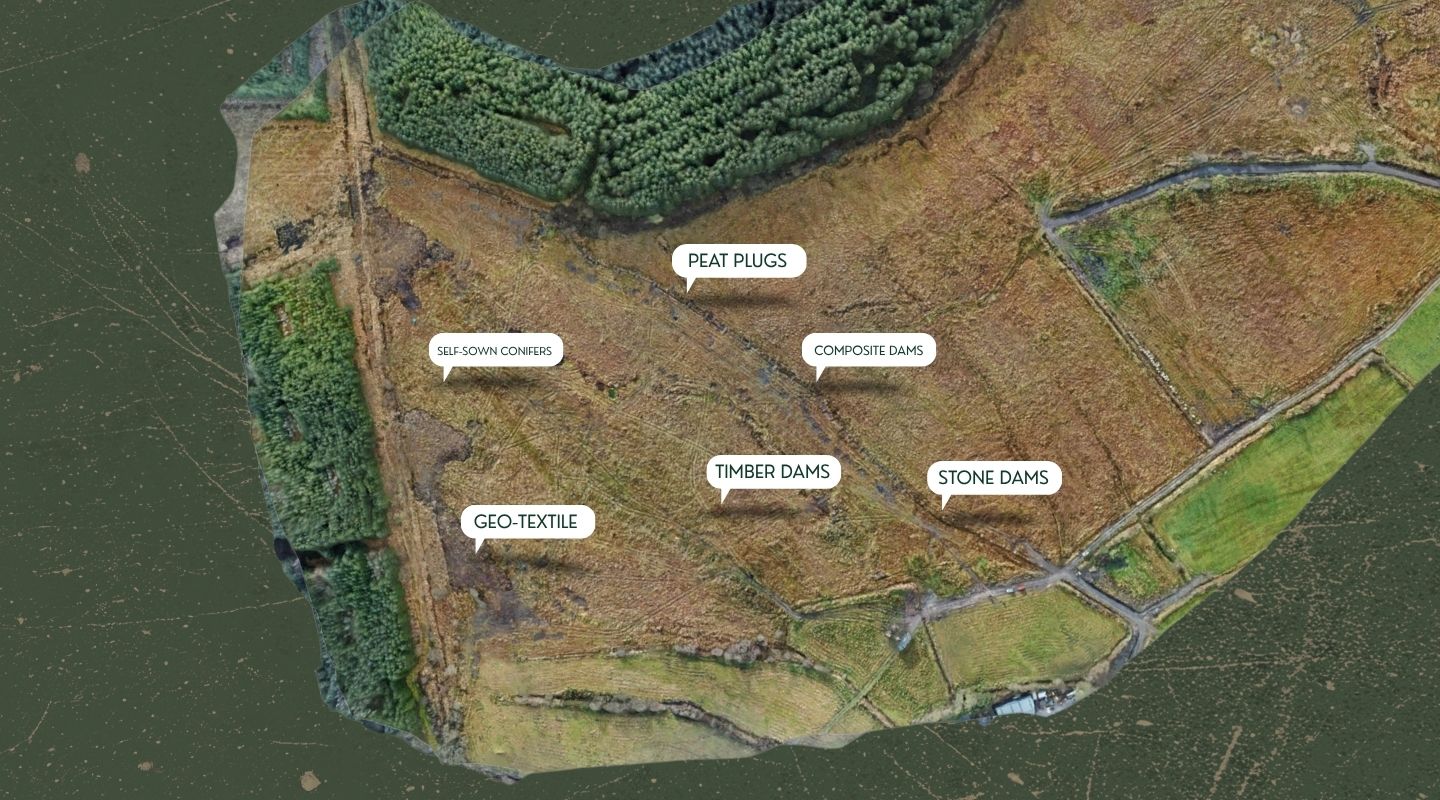
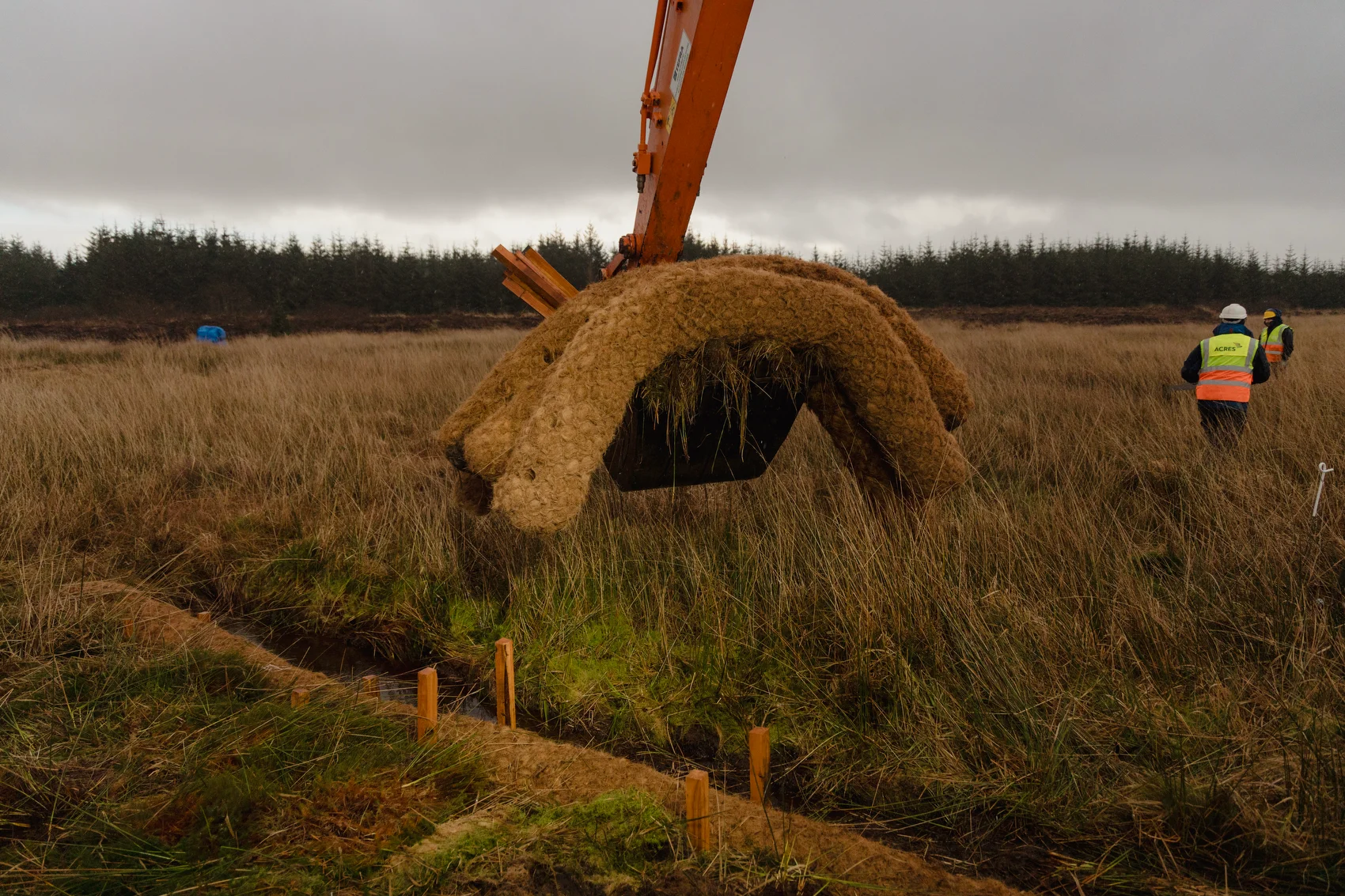
Strategic blocking of drainage channels and installation of weirs to raise water tables and restore hydrological connectivity.
Targeted removal of invasive species and encouragement of native Sphagnum mosses and ericaceous plants.
Installation of water bodies and microtopography to increase habitat diversity and support specialized peatland fauna.
Centuries of drainage, peat extraction, and agricultural use have degraded 90% of Western European peatlands. Restoration requires patient, adaptive management and long-term commitment.
Media
An overview of the project, landscape, and restoration vision.
Documentary on the hydrological restoration process and water management.
Following the recovery of plant and animal communities over a decade.
Science in action: the research methods driving adaptive management.
How peatland restoration contributes to carbon sequestration and climate mitigation.
Local partnerships and educational programs connecting people to the landscape.
Featured
Explore the ongoing work to restore and protect the Glashpullagh peatlands — from ecological surveys to community action.

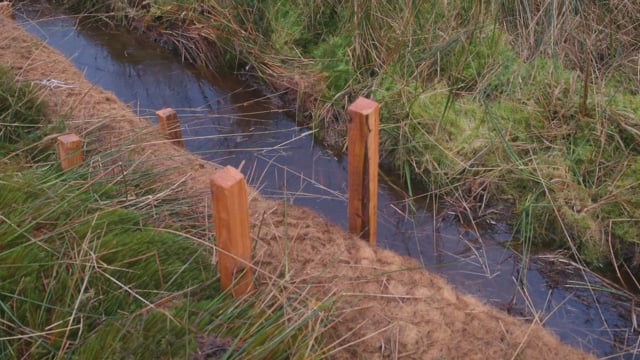
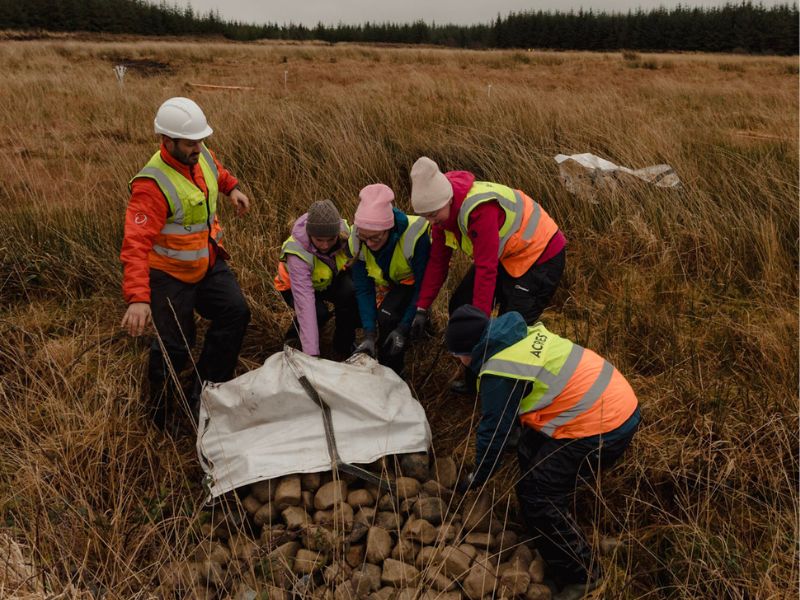
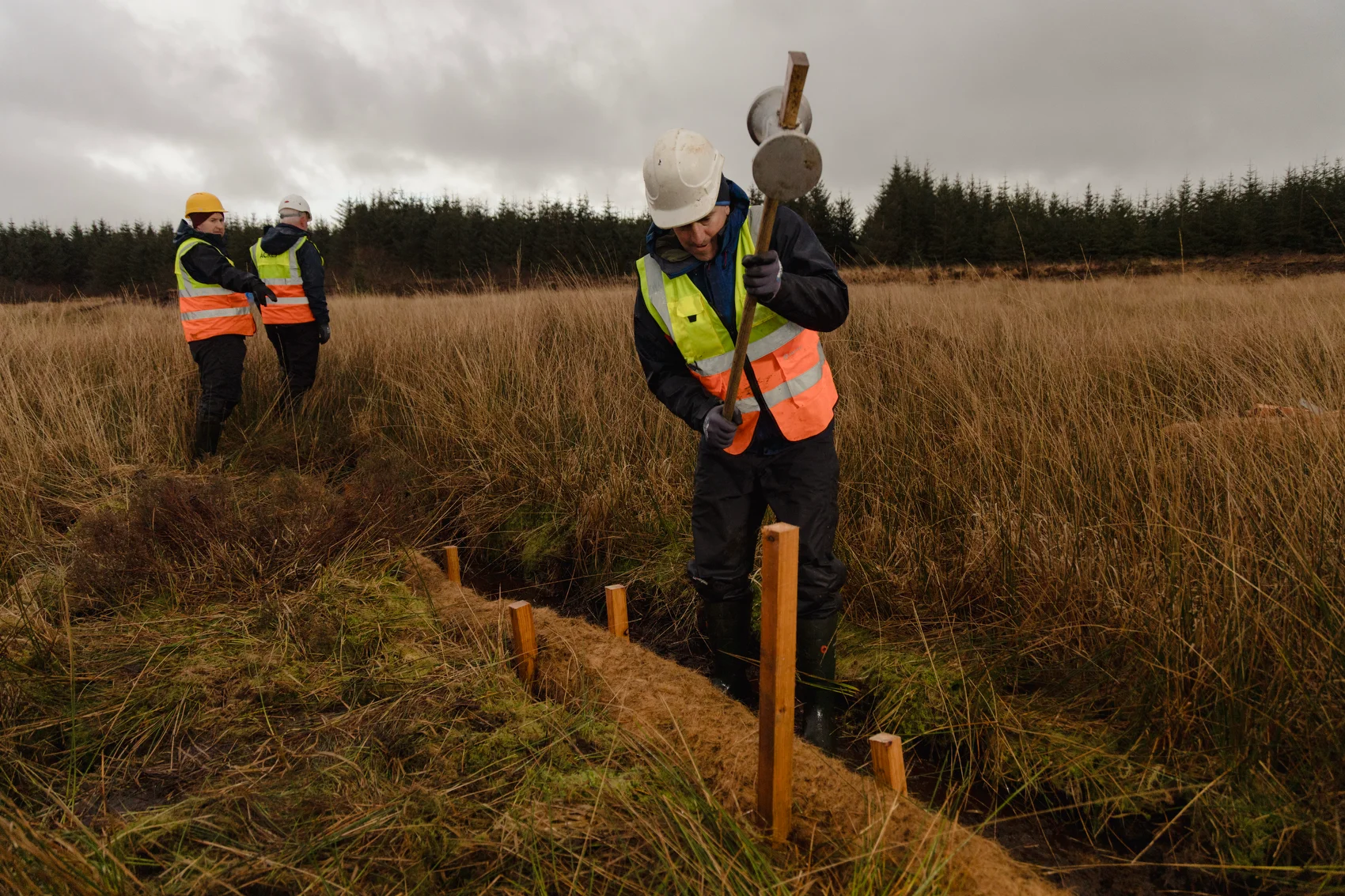
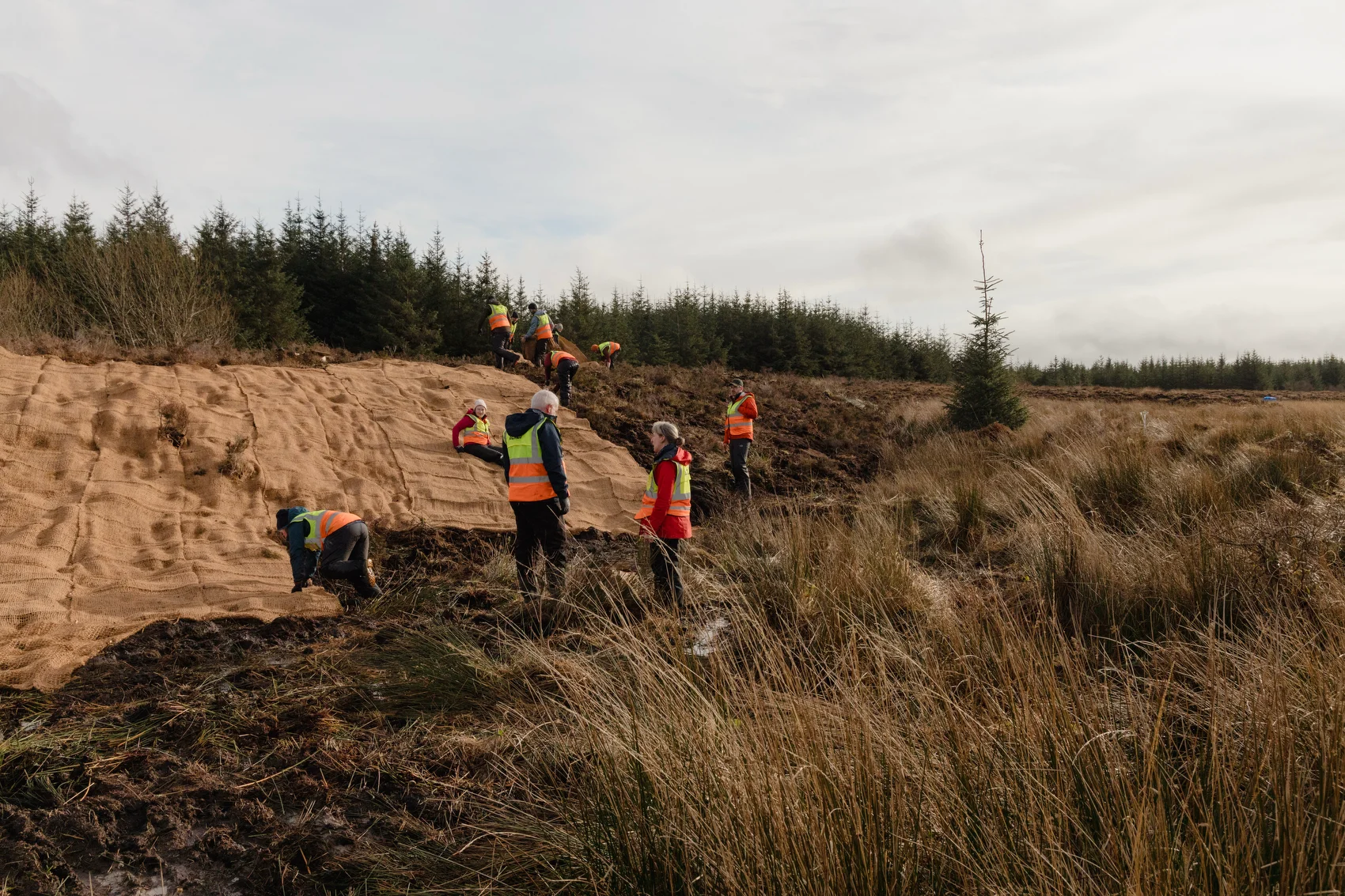
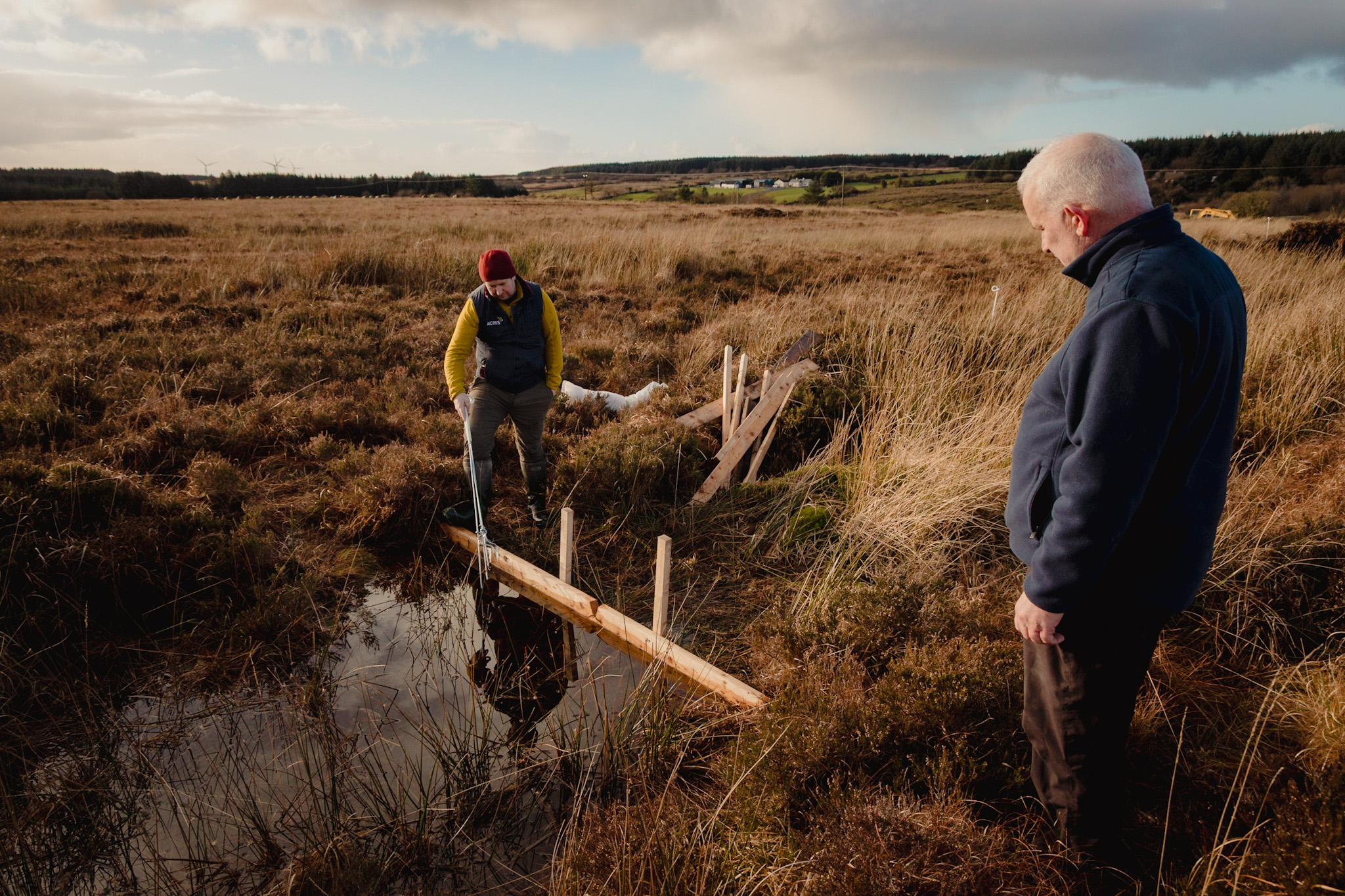
Workers installing wooden dam structures in drainage channels to raise the water table and rewet degraded peatland.

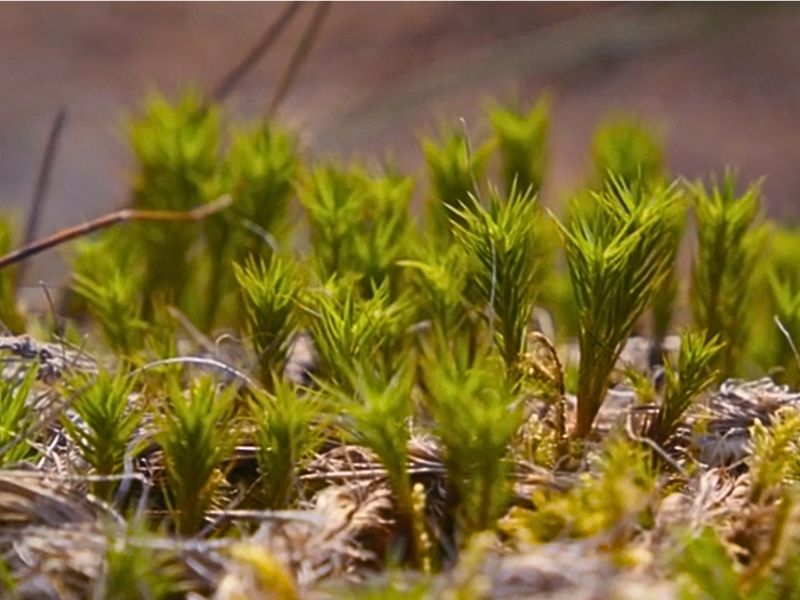
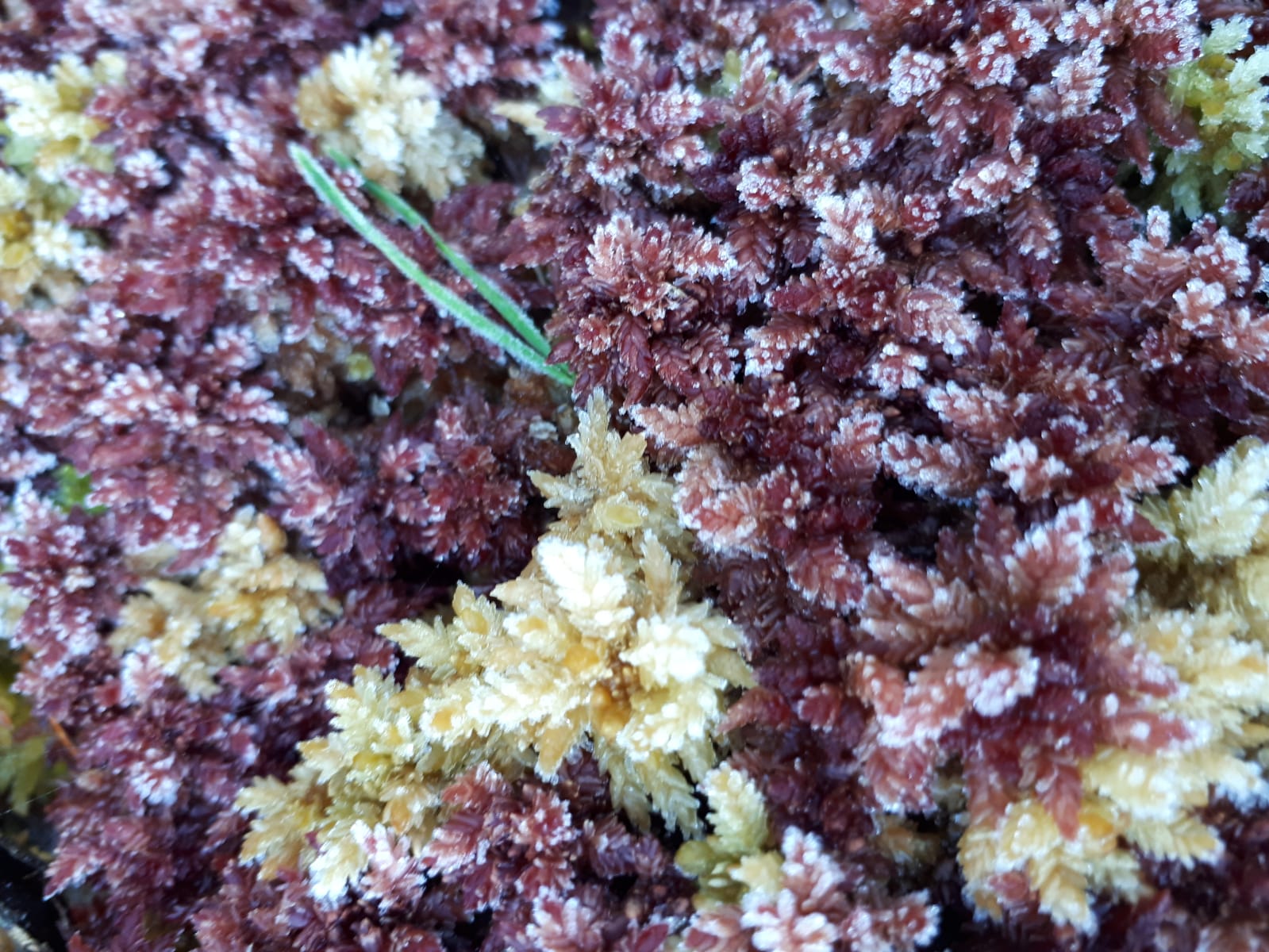
Monitoring the return of keystone sphagnum moss species — essential for peat formation and carbon sequestration.

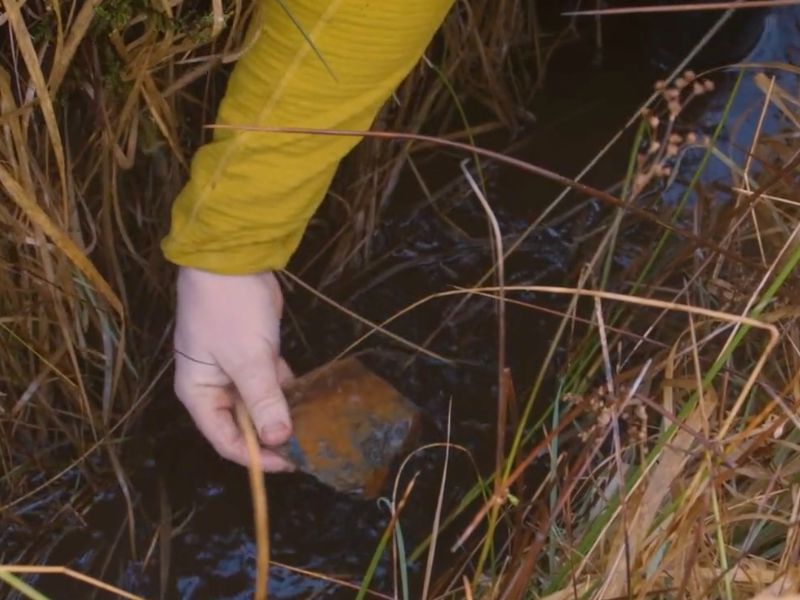
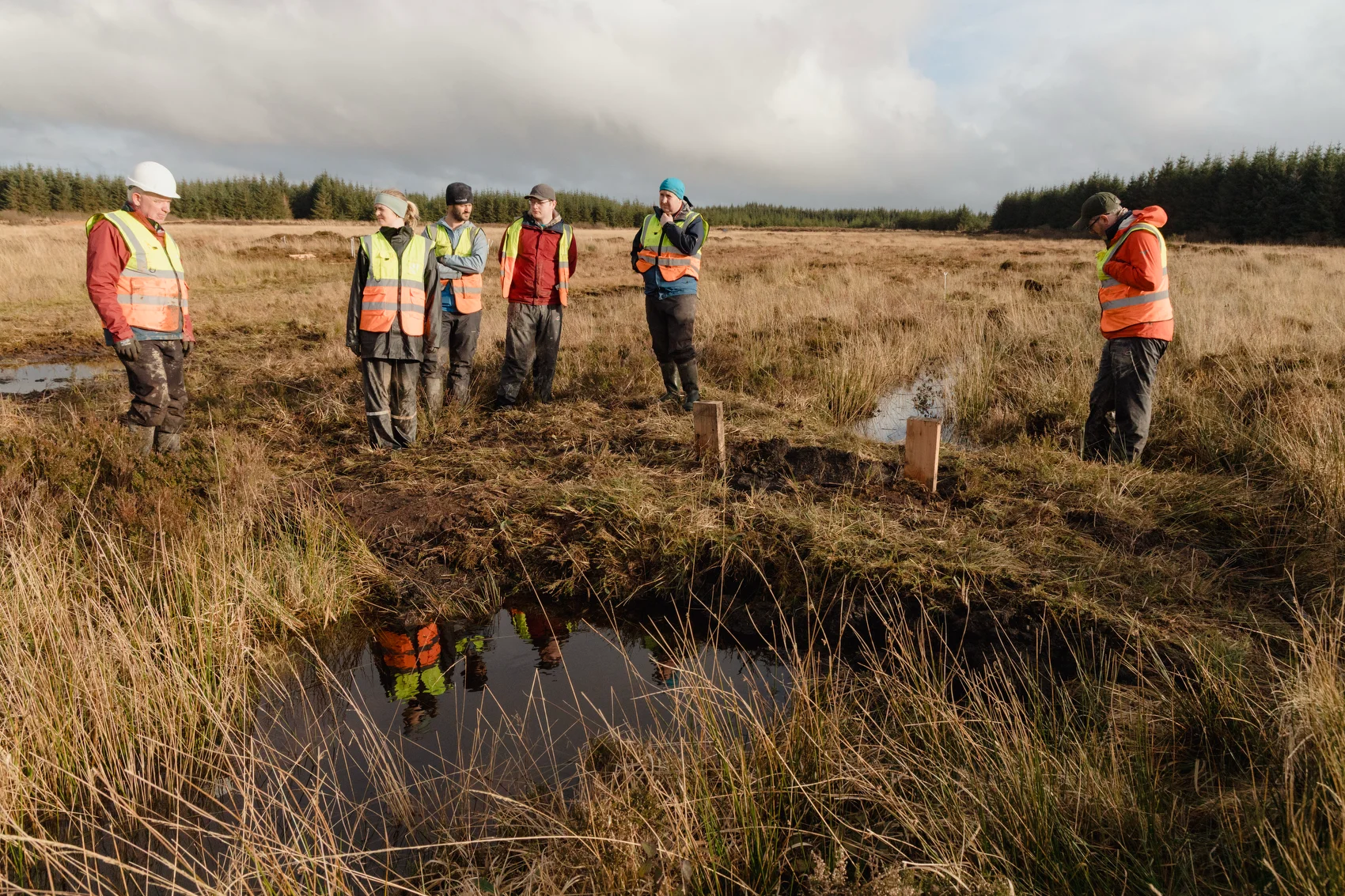
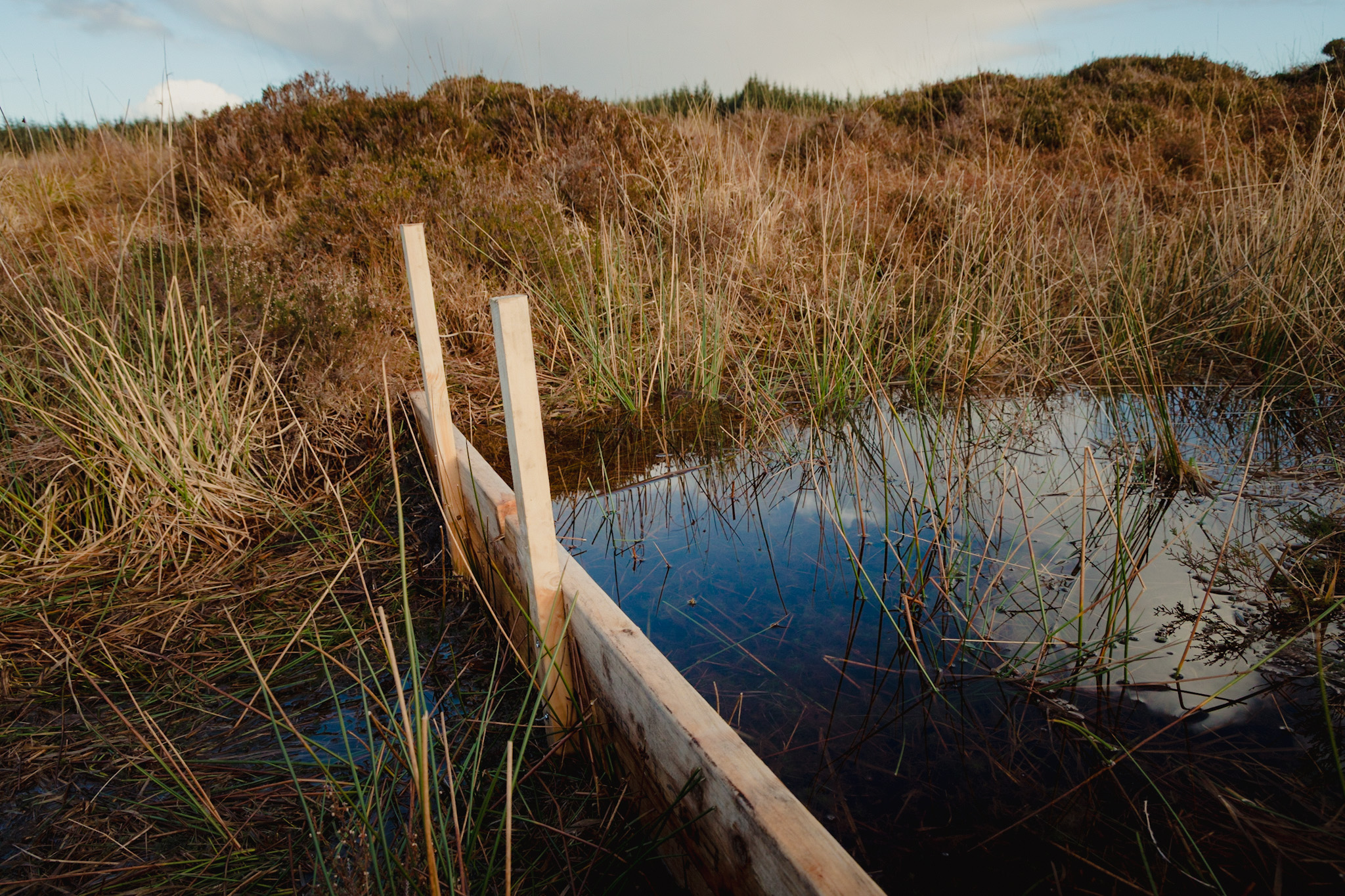
Raising water levels through strategic dam placement to rewet drained peatland and halt carbon loss.

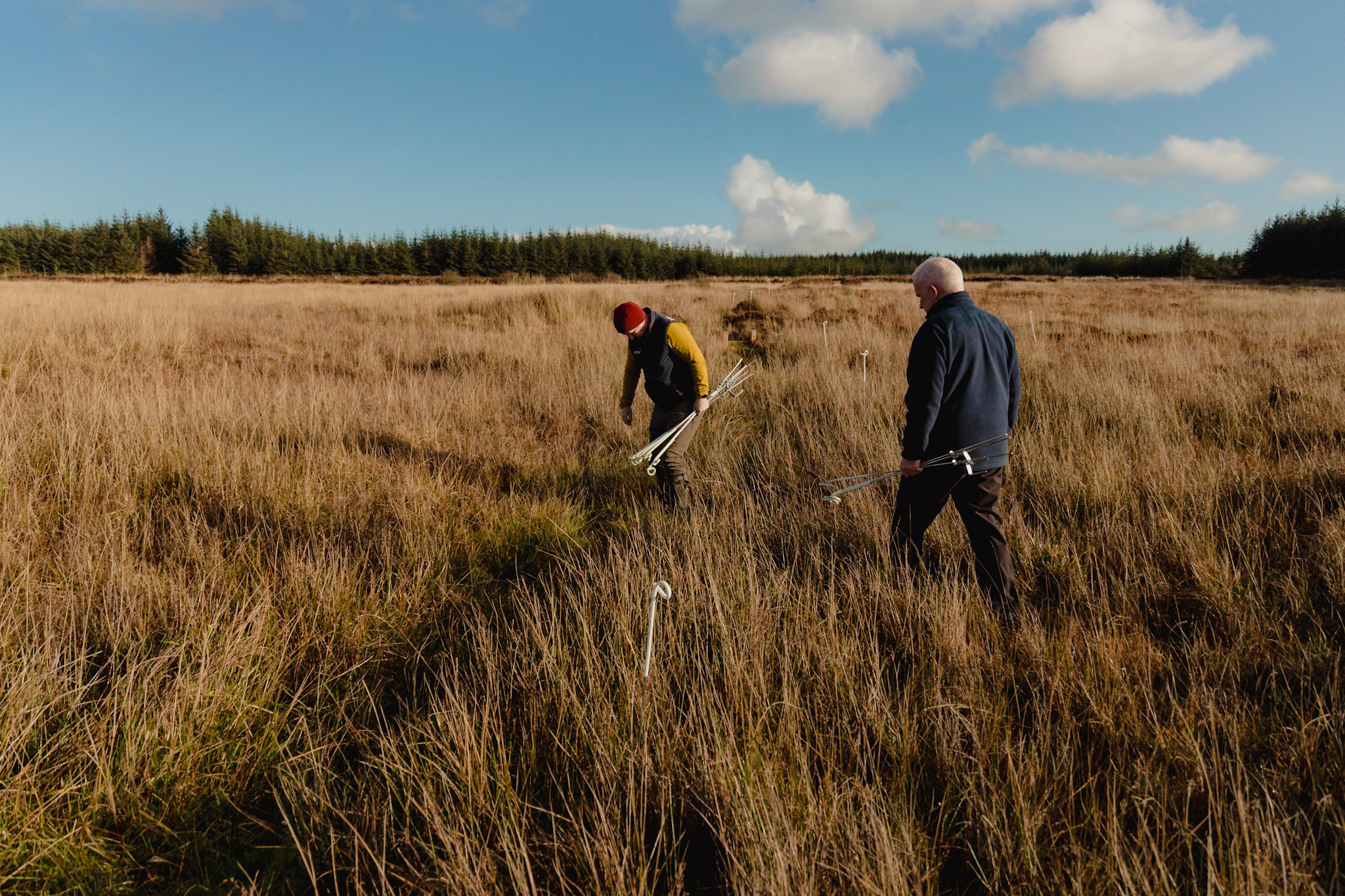
Continuous measurement and monitoring across the site to track the progress of peatland restoration.

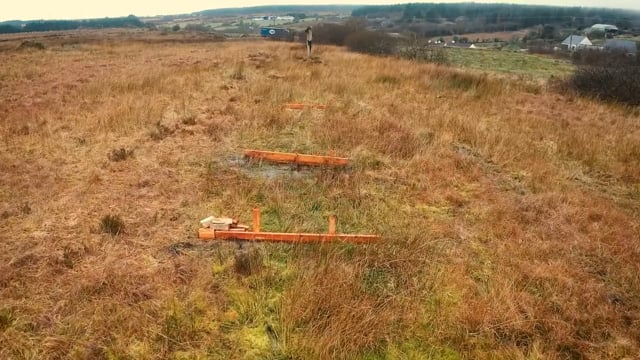
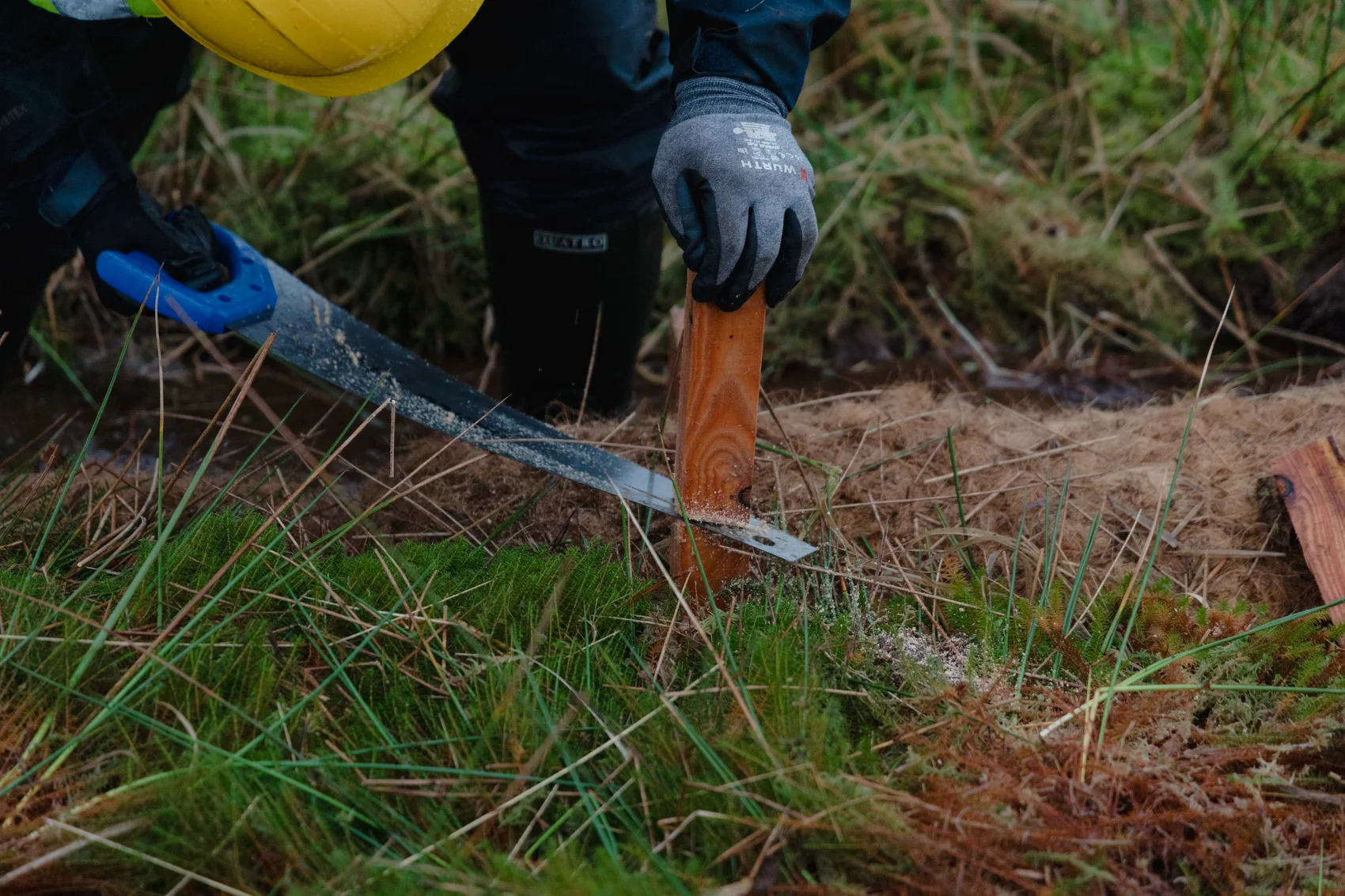
Wooden plank dams installed across drainage channels block water flow and encourage natural peat recovery.

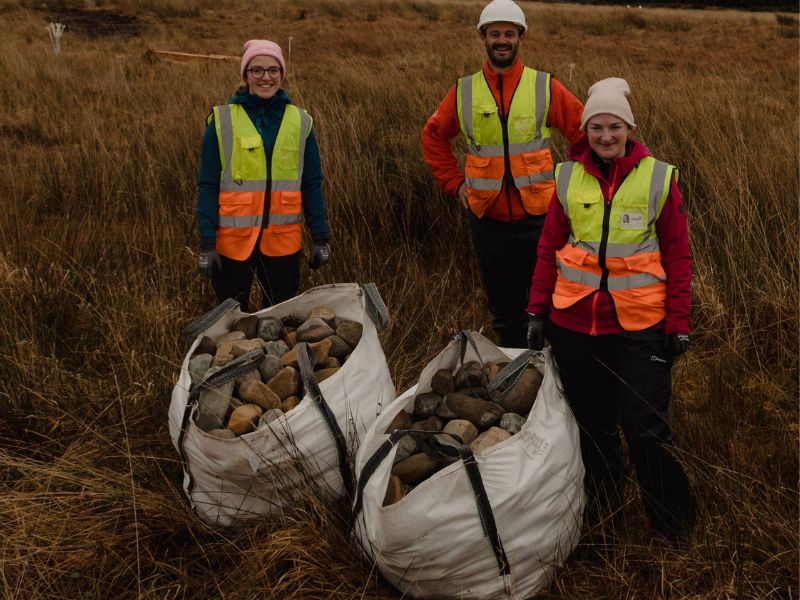
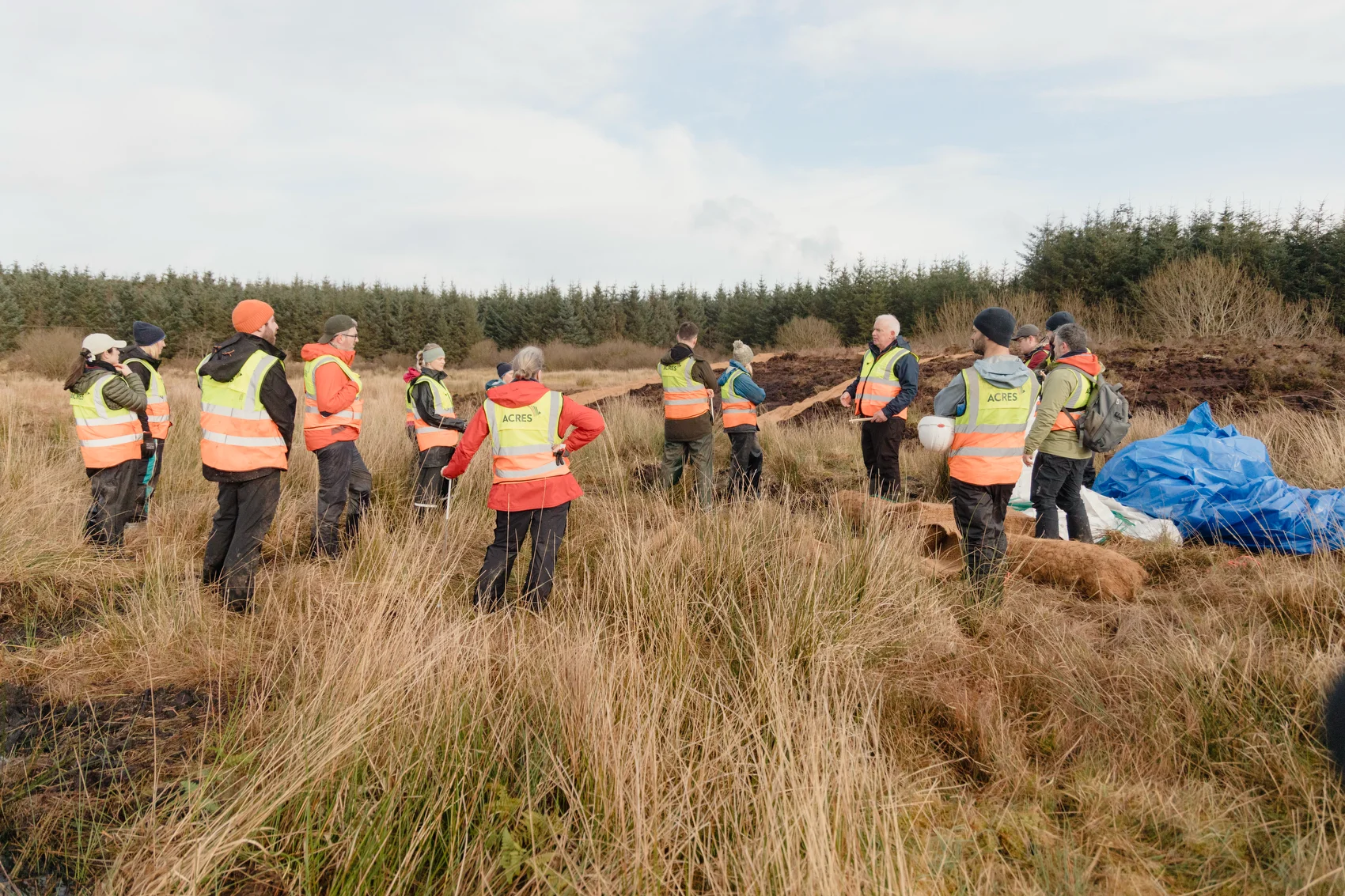
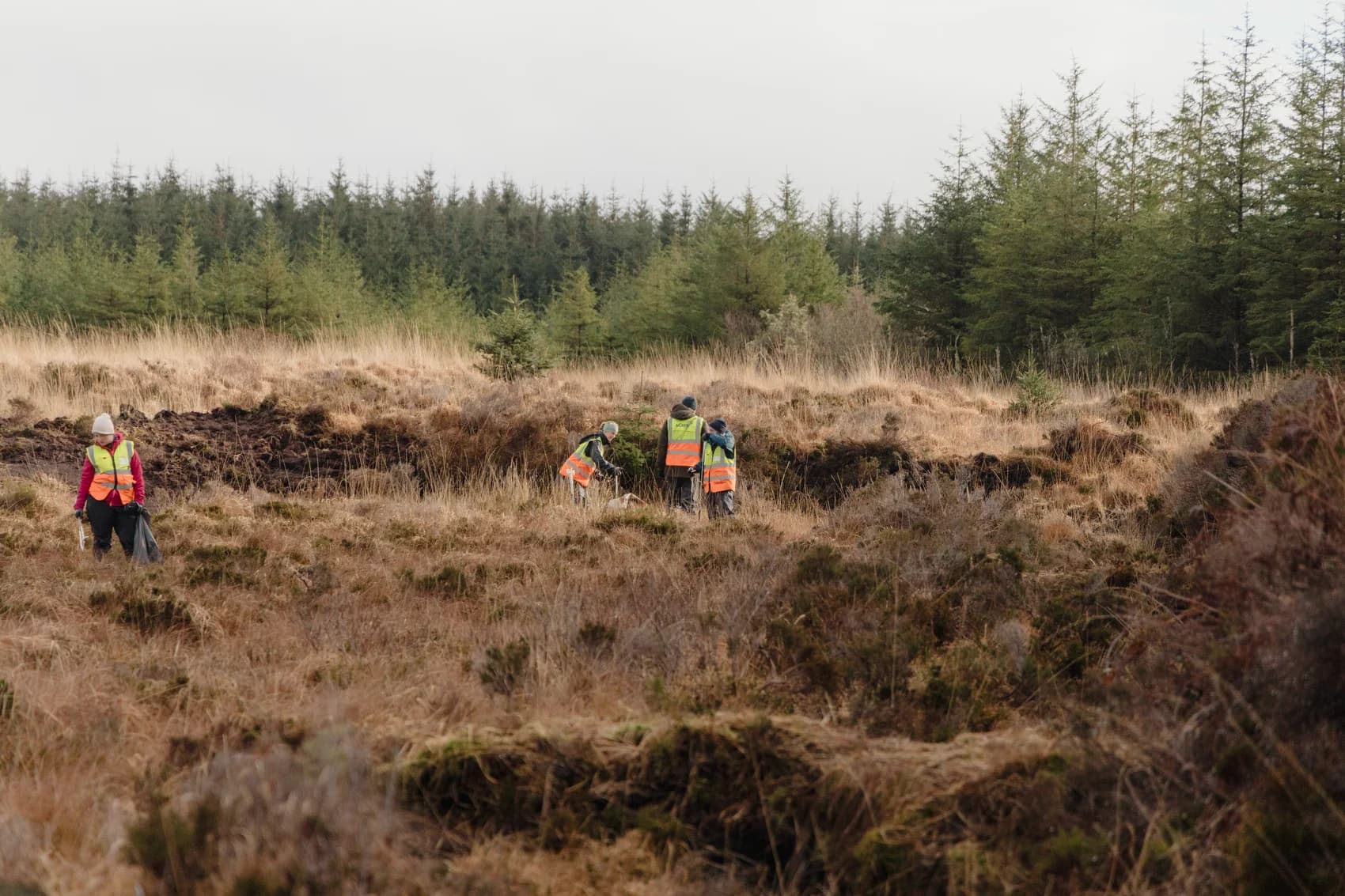
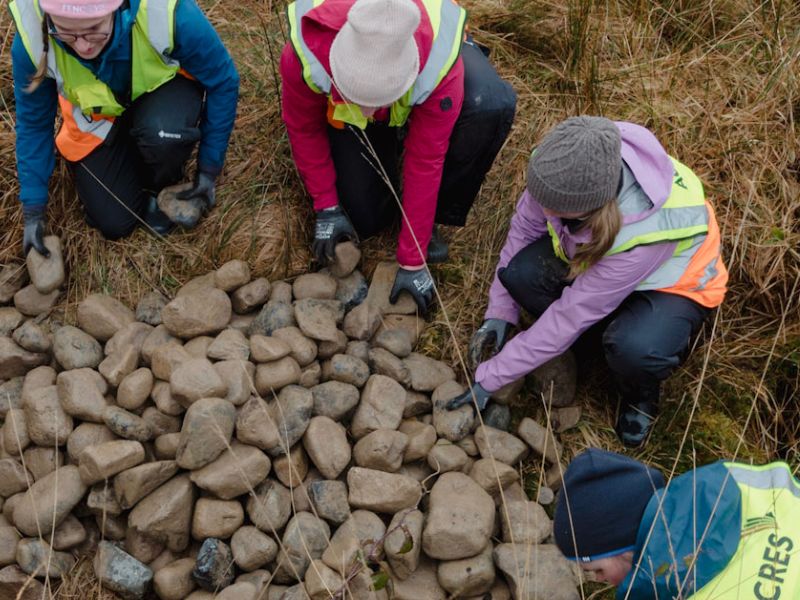
Local teams and volunteers working together across the landscape to restore and protect this ancient ecosystem.


Hover to explore the interconnected dimensions of peatland restoration at Glashpullagh.

Carbon Storage
Biodiversity
Water Filtration
Peatlands store twice as much carbon as all the world's forests combined, making their preservation critical to climate stability.

Drain Blocking
Revegetation
Monitoring
Strategic interventions rewet degraded bog, allowing natural processes to resume peat formation and ecological recovery.

Education
Heritage
Wellbeing
Connecting people with the landscape through walks, workshops, and cultural storytelling preserves both ecology and tradition.